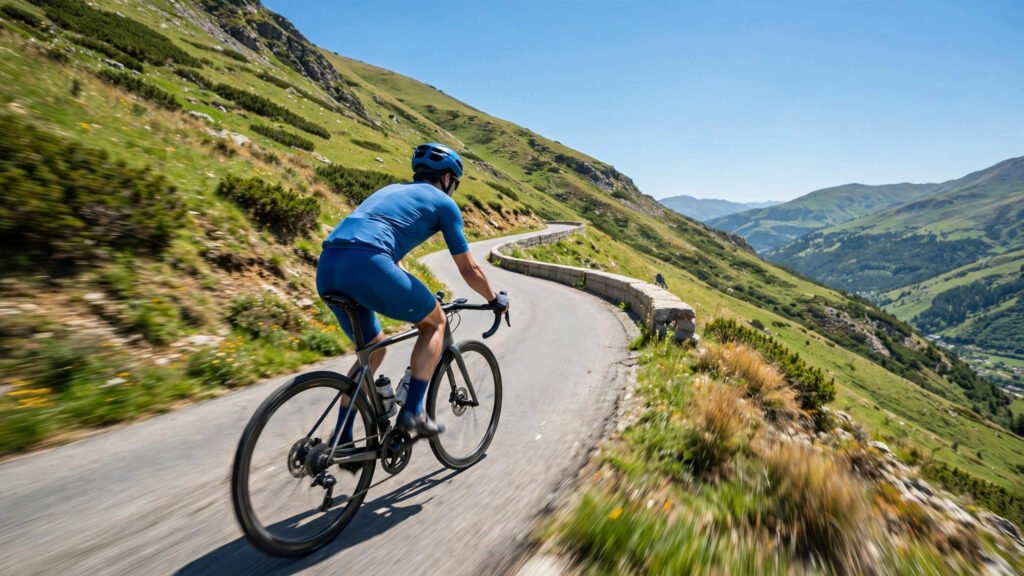
Ordering custom cycling kits is different from ordering football or basketball uniforms. A cyclist spends hours in one position, leaning forward with hands on the bars, so the fit, the fabric stretch, and the placement of seams and grippers matter more than they do in almost any other sport. Get the specification wrong and the kit rides up, chafes, or bunches at the shoulders. Get it right and riders forget they are wearing it, which is exactly what you want.
This guide walks through everything a club manager, team coordinator, or brand owner should specify before placing a custom cycling kits order, so the finished garments actually perform on the road.
Custom cycling kits start with the cut: race, club, or relaxed
The first decision is the fit profile, because it changes every pattern piece.
A race cut is compressive and aerodynamic. It is meant to be worn for the hours of a road race or a fast group ride, and it feels snug when you stand in it. A club cut sits between race and relaxed: comfortable for weekend riders who spend long hours in the saddle but do not want a skinsuit feel. A relaxed or touring cut uses looser panels and more forgiving stretch for charity riders and recreational groups.
Specify which of the three you want, and if your group is mixed, ask for a split size breakdown across fits. Be honest with your supplier about rider body types. A supplier that only patterns one generic fit is a warning sign. At Fabricory, our minimum order is 50 pieces, and a mixed size and fit run is normal for club orders, so you can outfit a full squad of different shapes without padding the order with sizes nobody wears.
Fabric specification for custom cycling kits
Cycling kit fabric has to do three jobs at once: stretch with the body in the riding position, move sweat away from the skin, and hold printed graphics that will not fade after a season of sun and washing.
For the jersey, the standard workhorse is a lightweight polyester or polyester-elastane knit, typically in the 130 to 180 GSM range. Higher GSM gives more opacity and a firmer compression feel, which suits race-fit jerseys. Lower GSM runs cooler and lighter, which suits warm-weather club kits. Side panels are often a ventilated mesh knit to dump heat where riders sweat most.
For bib shorts, look for a nylon-elastane or polyester-elastane blend with 20 percent elastane or more. The shorts need to stretch in every direction without the knit going translucent in the riding position. Ask for fabric swatches and stretch them over your hand before approving anything. A cheap shortcut you will sometimes see is a kit made entirely from one jersey fabric with no dedicated short material. That is how chafing and saddle discomfort start.
One specification detail that matters more than most buyers expect: the chamois pad. For bib shorts and shorts, the pad insert is a separate sourced component, and quality varies enormously. State whether you want a basic touring pad or a higher density multi panel performance pad, and confirm that the pad is specified in your tech pack so the production unit does not substitute a cheaper one.
Printing and graphics on cycling kits
Sublimation is the default print method for custom cycling kits, and for good reason. The graphics dye straight into the polyester fibers, so there is no printed layer sitting on the fabric to crack, peel, or trap heat. Gradients, photographic backgrounds, and all-over panel designs all print cleanly. If your design includes sponsor logos on the sleeves or back pockets, sublimation reproduces them with sharp edges and no added weight. If you want a refresher on the process, read our plain-English guide to how sublimation printing works.
A few decoration rules worth building into your order. Keep text and key sponsor logos away from seam lines, zips, and pocket openings, where they can distort or get stitched through. Back pocket panels take the most abrasion from use, so ask for colorfastness you can trust, and confirm the sublimation is printed before cut and sew so every panel edge matches up. Embroidery has almost no place on performance cycling kits. A chest emblem or small logo on a relaxed-fit club jersey can work, but on a race or club cut it adds stiffness exactly where the fabric should move.
This same sublimation-first approach is why many private label gym wear brands start with performance fabrics. The decoration method and the fabric choice always travel together.
Seams, grippers, zips, and pockets: the small details riders notice
Cyclists judge a kit by its details, and this is where a vague specification costs you.
Specify flatlock seams on the jersey and shorts. Raised or overlocked seams press into the skin under a tight fit and leave marks after long rides. On the jersey hem, ask for a silicone gripper band that keeps the jersey from riding up when the rider is in the drops. Sleeve hems benefit from the same treatment. On bib shorts, the leg grippers should be a wide silicone or woven elastic band rather than a thin elastic, which digs in and rolls.
The jersey zip is another small item with outsized consequences. Specify a full-length or three quarter front zip with a zip garage at the top so the puller does not scratch the chin, and a locking slider that stays put on descents. Rear pockets: three is the standard racing layout, though some club designs add a fourth zippered pocket for keys and cards. Ask for reinforced pocket tops so loaded pockets do not sag or tear at the stitching.
Do not skip the collar and cuff construction either. A bound collar that lies flat and cuffs that hold without squeezing are the difference between a kit that feels tailored and one that feels cheap.
Sizing and size breakdown for a club order
Cycling sizing runs smaller and tighter than casual apparel, and European race cuts run smaller still. Always work from the supplier’s cycling-specific size chart, never a generic t-shirt chart. Chest, waist, and inseam measurements matter more than the letter on the label.
For a first order with a new supplier, ask for a sample set in two or three sizes so your riders can try before the full run. A sizing sample costs a little up front and saves the far bigger cost of a full order in the wrong fit. When you build your size breakdown, lean on actual rider measurements rather than guesses. Clubs usually over-order mediums and under-order XL and up, so a quick measurement session at a club night pays for itself.
Remember that custom cycling kits are made to order. There is no restocking shelf to fall back on, so treat the breakdown as a one-shot decision and double check it with the supplier before cutting begins.
What to include in your cycling kit order brief
Pull everything together in one clear document before you send it out. Your brief should cover: the garments in the kit (jersey, bib shorts, shorts, and optionally vest, arm warmers, or a wind jacket), the fit profile for each, fabric and GSM targets, the chamois pad grade, print method and artwork files, zip and pocket layout, gripper and seam specifications, collar and cuff construction, the full size breakdown, and your target delivery window. Browse our sportswear catalog to see the garment range this applies to.
A supplier who asks good questions about your brief, like your riding conditions and rider mix, is one worth working with. A supplier who accepts everything without a single question is one to worry about.
Order custom cycling kits with Fabricory
Fabricory is a Sialkot-based maker of custom sportswear, working through vetted partner production units, with a 50-piece minimum order. Send your design, your rider measurements, and the specification details above, and we will walk through the fabric options, the pad grades, and the artwork setup with you before anything is cut.
Start your custom order today and get your club riding in a kit built to spec.
Ready to start? Request a quote.